Why Are High-Quality Filter Press Cloths Essential for Efficient Industrial Filtration?
In modern industrial solid-liquid separation systems, filter press cloths play a decisive role in determining filtration efficiency, cake dryness, production stability, and overall operating cost. As the core filtration medium installed on filter press plates, the cloth directly affects how efficiently liquid passes through while retaining solid particles. Industries such as chemical processing, mining, metallurgy, wastewater treatment, food production, and pharmaceuticals all rely heavily on stable and high-performance filter cloths to maintain continuous production.
High-quality filter press cloths are not simply consumable accessories; they are engineered filtration components designed with precise fiber selection, weaving structures, and surface treatments. A well-designed filter cloth ensures high filtration accuracy, fast drainage, and easy cake release, which are essential for improving overall system productivity. Poor-quality cloths, on the other hand, often lead to clogging, slow filtration cycles, uneven cake formation, and increased maintenance downtime.
As professional Filter Press Cloth Manufacturers, Jiangsu Sudong Chemical Machinery Co., Ltd. focuses on producing durable and high-efficiency filtration fabrics that meet diverse industrial requirements. The company integrates advanced weaving technology, strict quality control systems, and application-based design optimization to ensure that each filter cloth performs reliably under demanding working conditions. With years of experience in filtration equipment manufacturing, the company understands how different industries require different filtration precision levels and chemical resistance properties.
Another key advantage of high-quality filter press cloths is their contribution to operational stability. In high-pressure filtration environments, inferior cloths may stretch, tear, or lose permeability over time, resulting in inconsistent filtration results. High-performance cloths manufactured with reinforced synthetic fibers maintain structural integrity even under continuous pressure cycles, ensuring stable operation and reducing unexpected shutdowns.
Environmental efficiency is also an important consideration. Efficient filter cloths reduce water retention in filter cakes, shorten drying time, and decrease energy consumption in downstream processing. This aligns with modern industrial sustainability goals and helps companies reduce their environmental footprint.
Key Benefits of Premium Filter Press Cloths
| Feature |
Industrial Benefit |
| High Permeability |
Faster filtration cycles |
| Strong Particle Retention |
Improved filtration precision |
| Excellent Durability |
Reduced replacement frequency |
| Chemical Resistance |
Suitable for harsh environments |
| Stable Cake Release |
Lower maintenance cost |
For industries seeking long-term operational efficiency, selecting high-quality filter press cloths is a strategic investment rather than a simple purchasing decision. Jiangsu Sudong Chemical Machinery Co., Ltd. continues to support global customers with reliable filtration solutions that improve productivity and reduce total operating costs.
FAQ
Q1: Why is filter cloth quality so important?
Because it directly affects filtration speed, cake dryness, and equipment stability.
Q2: What industries use filter press cloths most?
Chemical, mining, wastewater, food, pharmaceutical, and metallurgy industries.
Q3: Can high-quality cloths reduce operating cost?
Yes, they reduce downtime, maintenance, and energy consumption.
How Do Different Filter Press Cloth Materials Improve Filtration Performance?
The material of a filter press cloth is one of the most critical factors influencing filtration performance. Different industrial processes require different levels of chemical resistance, temperature tolerance, abrasion resistance, and filtration precision. Therefore, selecting the correct material is essential for achieving optimal system efficiency.
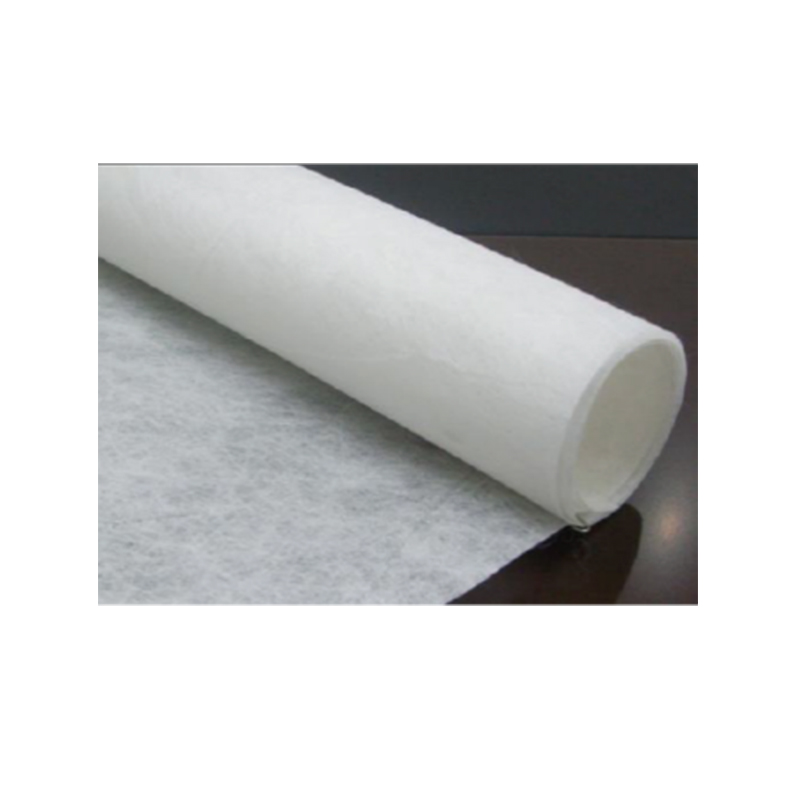
Common filter cloth materials include polypropylene (PP), polyester (PET), nylon, and composite fibers. Each material has its own advantages depending on the working environment. For example, polypropylene is widely used in chemical and wastewater industries due to its excellent resistance to acids and alkalis. Polyester is preferred in high-strength and wear-intensive applications such as mining and mineral processing. Nylon offers flexibility and strong abrasion resistance, making it suitable for slurry containing sharp particles.
Jiangsu Sudong Chemical Machinery Co., Ltd., as experienced Filter Press Cloth Manufacturers, provides customized material selection based on customer process conditions. The company analyzes factors such as slurry composition, temperature, particle size distribution, and filtration pressure to recommend the most suitable cloth material. This ensures maximum efficiency and long service life.
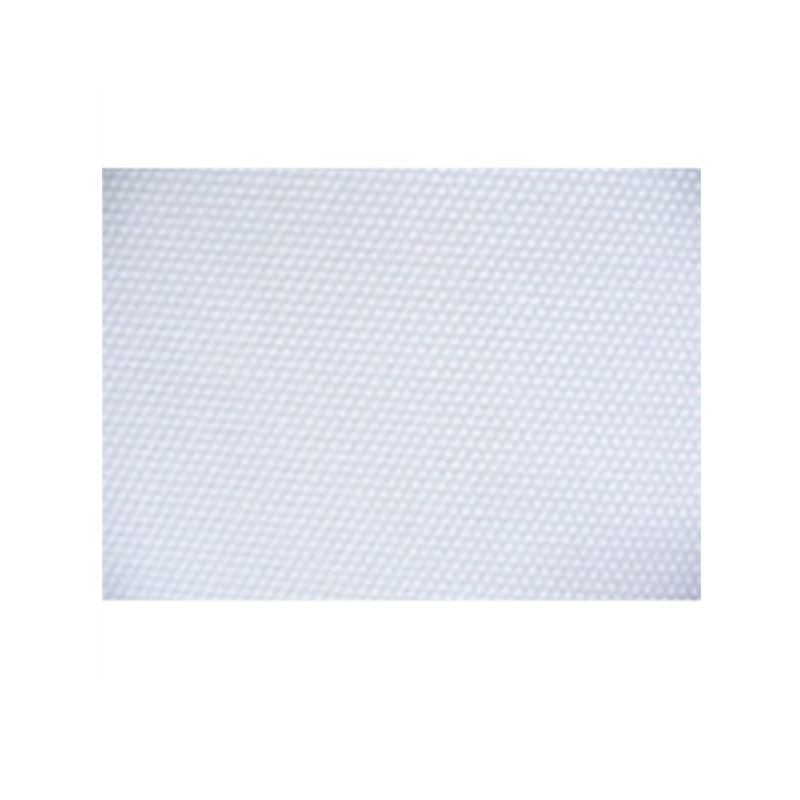
Beyond material selection, weaving structure also plays a significant role in performance. Plain weave provides stable filtration precision, twill weave offers improved strength and flexibility, and satin weave enhances cake release performance. Advanced manufacturing techniques allow precise control of pore size distribution, ensuring a balance between permeability and particle retention.
Surface treatment technologies further enhance performance. Heat-setting improves dimensional stability, while anti-clogging treatments reduce fiber blockage during long-term operation. These enhancements help maintain consistent filtration efficiency over extended production cycles.
Common Filter Cloth Materials Comparison
| Material |
Strength |
Chemical Resistance |
Typical Use |
| Polypropylene (PP) |
Medium |
Excellent |
Chemical & wastewater |
| Polyester (PET) |
High |
Good |
Mining & metallurgy |
| Nylon |
High flexibility |
Moderate |
Abrasive slurry filtration |
| Composite Fibers |
Customizable |
Customizable |
Specialized industries |
Proper material selection significantly improves filtration efficiency and reduces operational risks. Jiangsu Sudong Chemical Machinery Co., Ltd. continuously develops optimized filtration solutions to help customers achieve stable and efficient production processes.
FAQ
Q1: Which material is most commonly used?
Polypropylene (PP) due to its chemical resistance and versatility.
Q2: Can materials be customized?
Yes, depending on filtration conditions and customer requirements.
Q3: Does material affect filtration speed?
Yes, permeability and fiber structure directly impact speed.
What Makes Professional Filter Press Cloth Manufacturers More Reliable for Industrial Applications?
In industrial filtration systems, the reliability of Filter Press Cloth Manufacturers plays a crucial role in ensuring stable production performance and long-term cost efficiency. Professional manufacturers provide not only high-quality products but also engineering expertise, customization capabilities, and technical support services that help customers optimize their filtration systems.
One of the most important advantages of working with experienced manufacturers is consistent product quality. Industrial filtration requires precise control of cloth thickness, pore size, tensile strength, and permeability. Even small variations can lead to significant performance differences. Professional manufacturers use advanced production equipment and strict quality inspection systems to ensure each filter cloth meets standardized performance requirements.
Jiangsu Sudong Chemical Machinery Co., Ltd. has established a comprehensive manufacturing and quality control system to ensure product stability and reliability. The company continuously improves production technology and invests in research and development to meet evolving industrial filtration demands. Its expertise in filter press systems enables it to provide integrated solutions rather than isolated products.
Customization capability is another major advantage. Different industries have unique requirements for filtration precision, chemical resistance, and operating conditions. Professional manufacturers can design customized weaving patterns, pore structures, and material combinations to meet specific application needs. This ensures optimal performance in complex industrial environments.
Technical support is also essential. Reliable manufacturers provide guidance on installation, maintenance, and optimization to help customers extend product lifespan and improve efficiency. This reduces downtime and enhances overall productivity.
Advantages of Professional Manufacturers
| Advantage |
Value to Customers |
| Stable Quality Control |
Reliable filtration performance |
| Advanced Production Technology |
Higher efficiency |
| Custom Design Capability |
Application-specific solutions |
| Technical Support |
Reduced operational risks |
| Long Service Life Products |
Lower total cost |
Choosing a professional manufacturer is not only about purchasing a product but also about ensuring long-term operational stability and efficiency.
FAQ
Q1: Why choose professional manufacturers?
They ensure consistent quality and technical reliability.
Q2: Can they provide customized solutions?
Yes, based on industrial application requirements.
Q3: Does after-sales support matter?
Yes, it helps optimize performance and extend service life.


 English
 Español
 हिंदी
हिंदी Tiếng Việt


 No. 1, Sudong Road, Guxi Town, Taixing, Jiangsu, China
 +86-15720778188
 +86-523-87791016
 +86-523-87797781

;void(0))